After breakfast and the daily briefing, the first shots rang out. They came from a few kilometers away, but the stillness of the mountains in the early morning carried the ringing far and wide. The echoes reached our camp on the ridge: an automatic tatatatat, followed closely by a semi-automatic tat, tat, tat, tat.
It was my first time hearing the sounds of an encounter. It didn’t sink in immediately what it could mean—it felt a world away, like someone knocking on the door of another person’s house. Everyone else, however, was on edge and on high alert. Many surmised it must have been our advance team. The advance team had gone ahead of us the previous day, and roughly in the direction of the sound of gunfire. (We would find out later that it was just the AFP staging a fake encounter. Our advance team was busy navigating a river at the time; they didn’t even hear the gunshots over the sound of water.)
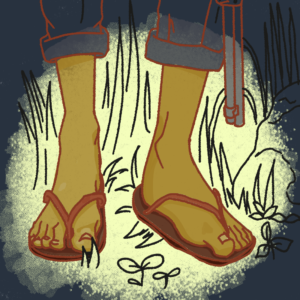
I was still in my sandals; someone told me to put on my boots. I put on my boots. The morning routine of packing, unpacking, re-packing that I had just become accustomed to suddenly came with an urgency that was new to me. There was a tension that electrified the air around the camp—all the air between those members of the unit command holding an emergency meeting, those members of the supply team hurriedly cooking rice for everyone’s lunch in advance, and that one lucky newcomer on his tour-of-duty struggling to fold his tent properly (me).
There were some pieces of equipment that had to be distributed among those in our unit, so Ka Jason put me on a tactical vest and my very own M16. It was my second time to hold a rifle, ever; the first time was just a few days before, during a one-on-one BKPM (basic military course) session. A bit of enthusiasm kicked in as I thought, an NPA fighter? That’s me. If only my mom could see me now. Ka Timon, cigarette in hand, blew a cloud of smoke and nodded approvingly. “Bagay, ah. (looks good on you).”
The M16 had seen better days, though it was clearly treated with care by its previous owners. The tactical vest was stocked with two long magazines and a couple of sanitary napkin packs for medical emergencies. I put the vest on, then my backpack, and stood up and tried to jog in place while carrying the gun—it was heavier than I expected. I would find out later just how heavy it all really was.
Not long after, someone from the command gave the signal. One by one we stood up, took our positions, and began our march, single-file, down the ridge. We were all reminded to stay quiet, stay alert, and stick together. It was then and there I realized just how distant the gunfire was: not that distant at all.
It must have been two hours since we had started walking, and the twists and turns through the forest thicket had begun to take its toll on me. In my defense, it was my first time marching for two days straight through mountain terrain, and also my first time marching with a heavy tactical vest and a rifle in tow. As the fatigue sets in, I started to run out of breath, at first slowly and then all at once. My eyes bit back tears as a million evil thoughts started pounding my brain. You’re slowing down the group. You’re going to get everyone killed.
I found the words to ask if someone could help me with my gun. Ka Jason, who was ahead of me in the line, without a word, took the tactical vest (which he passed on to someone else) and the rifle (which he went on to carry along with his own). Relieved of my physical burden, I couldn’t help but feel a bit guilty that someone else had to deal with my baggage. Ka Nina, who was behind me and almost certainly saw the tears in my eyes, whispered a few words of comfort: “It’s okay. It’s normal. Keep moving.” We kept moving.
The cicadas of this province have a tonality and a way of conveying unease that would put film composers to shame, and their skills were on full display on that day and hour. It was to their buzzing highs and lows that our commanding officer signaled that our unit rest for a moment. I immediately sat down and unbuckled the straps of my backpack, still blinking away those tears, still struggling to think straight. My breathing had turned into a panicked hyperventilation.
Ka Nina came to the rescue, and taught me the acupressure point between the thumb and the forefinger. As I slowly calmed down, she told me something I’ll probably remember for the rest of my life: “You’re not alone. No one here is enjoying this. We’re all going through it in our own different ways.” I looked around and saw Ka Rex, quiet as always, staring off into the distance. Then Ka Sen, fidgeting constantly with her backpack, making sure everything was fastened properly. Then Ka Mono, who noticed I was staring at him. He flashed me his infectious toothed grin and gave me a thumbs up. I couldn’t help but grin back.
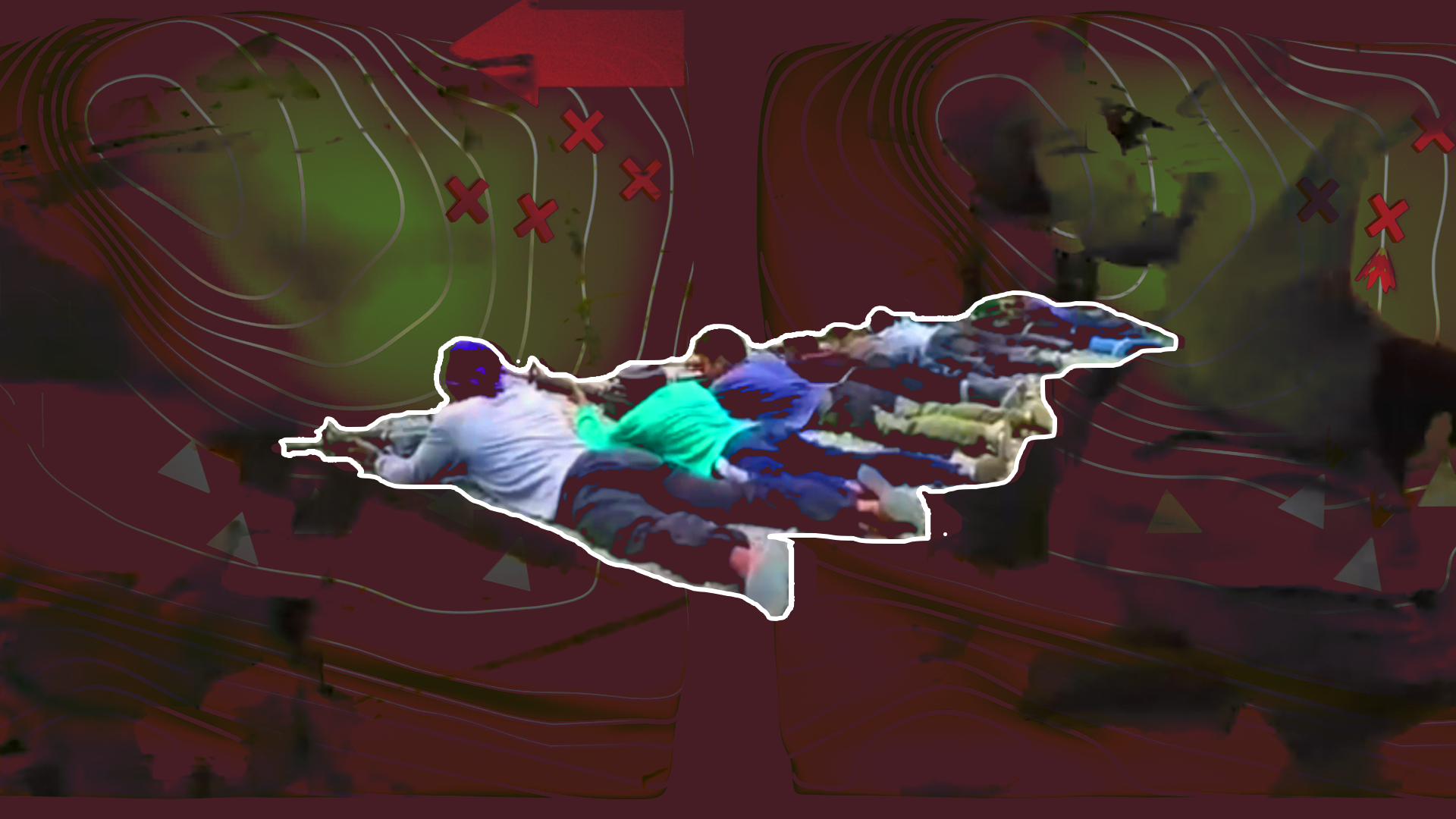
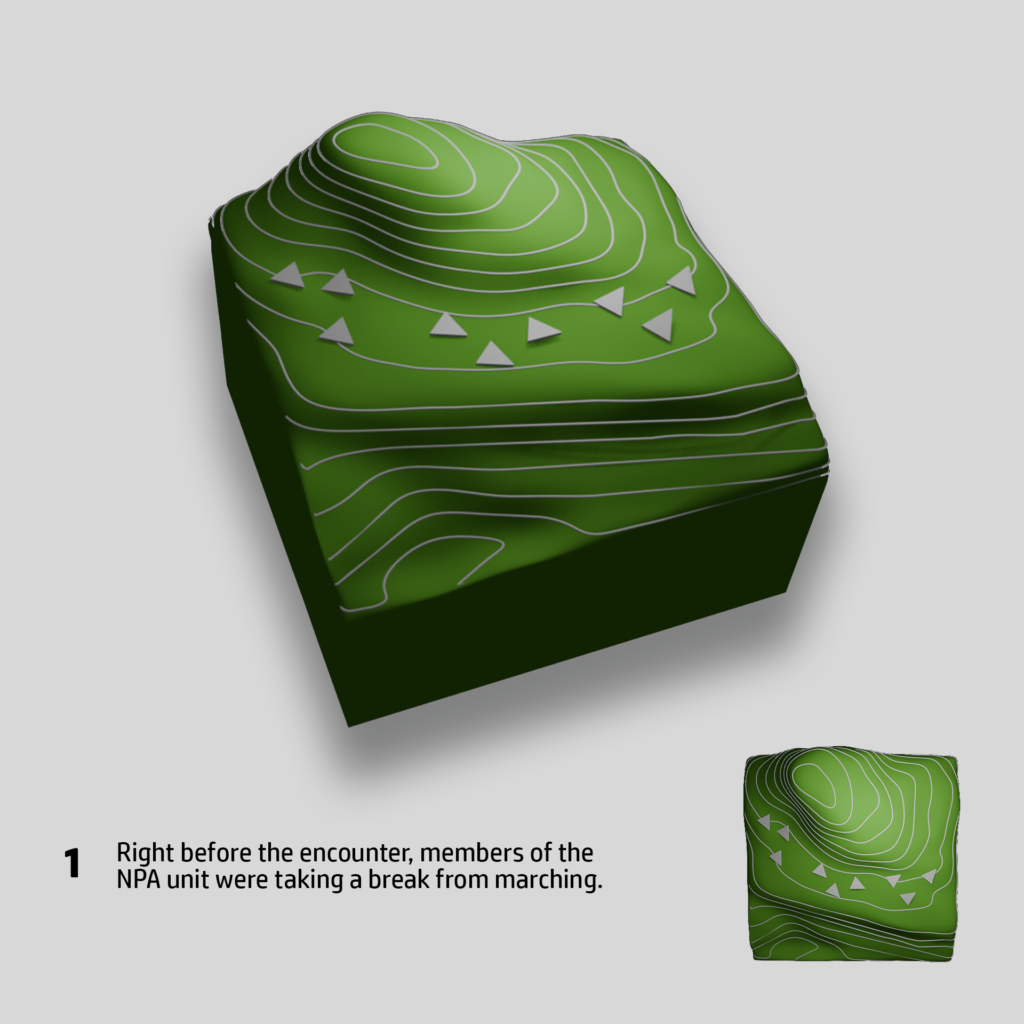
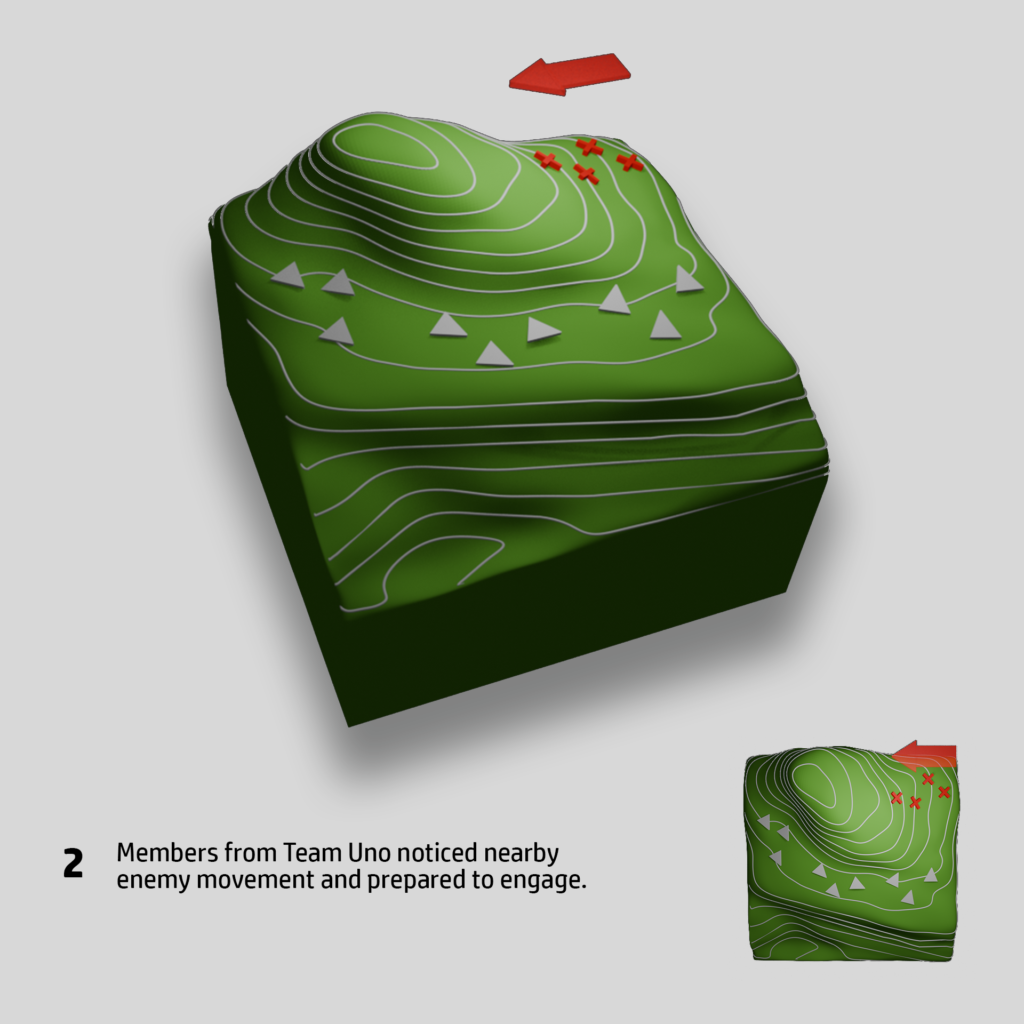
My panic attack had subsided when our squad leader let us know we would be having lunch before moving on. We’d only just begun unclipping the locks on our backpacks when there was a shift in the air, as if the atmosphere had suddenly been stretched taut. A deafening quiet. Then came a sharp, low whisper of a whisper: “Kaaway! (enemy!)”
The scene: Ka Timon, Ka Jason, and Ka Mono a few paces ahead slowly shifted their position from seated to prone, rifles at the ready. Others were silently slipping on their backpacks. All eyes and weapons were trained at a section of the forest that I could not see myself. I imagined what it would have looked like: shadows behind the ferns and leaves, moving in our direction, closing in.
No one dared make a sound, save for the cicadas. They were merciless. But even they would give way for the rifles.
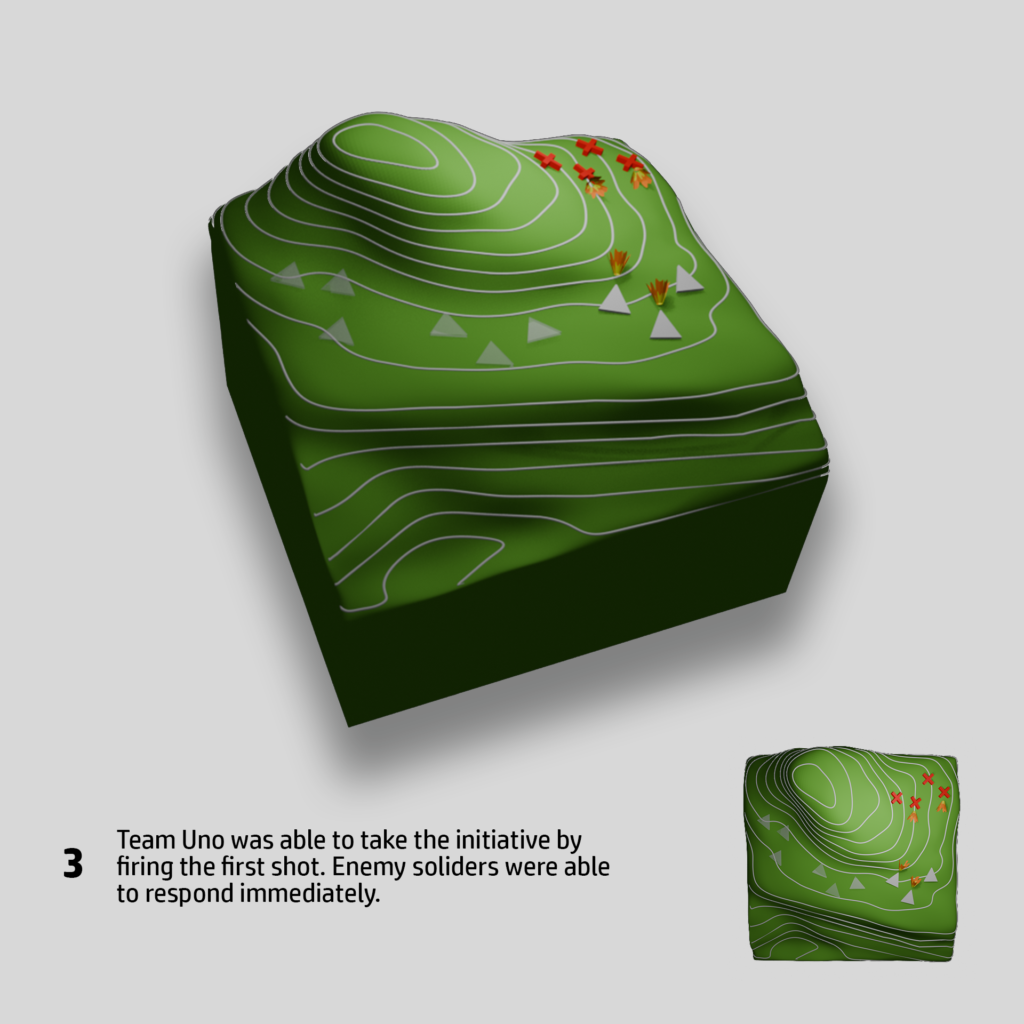
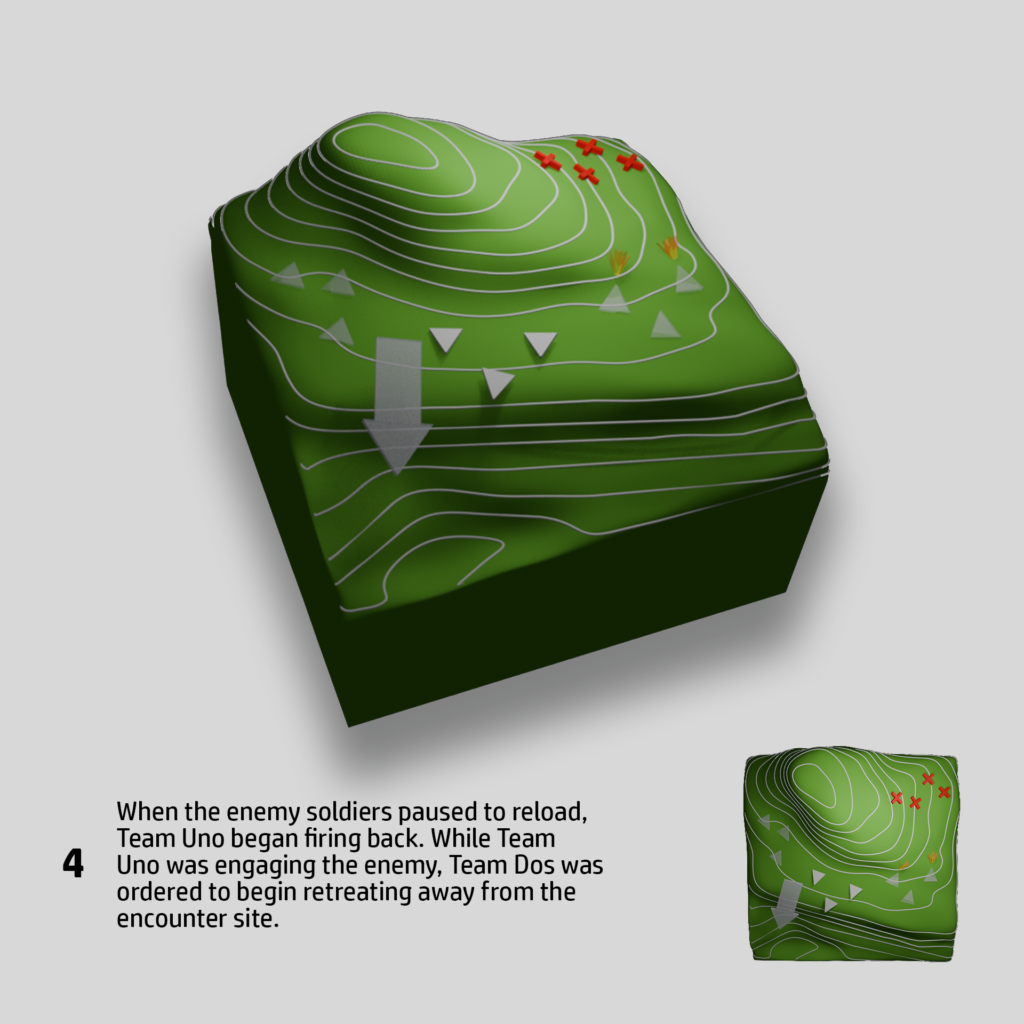
It sounded like firecrackers from hell, the chorus of automatic Remington rifles bearing down on us. My first instinct: get down, lay low, and wait for the command. Not bad for my first time. It was several seconds of heavy, relentless tatatatatat gunfire—and then the briefest of pauses, followed swiftly by the measured tat, tat, tat from the trusty M16s on our side. It was at that point that those of us without high-powered firearms were given the command: “Go!”
With the enemy approaching from the front and left, we went right, which was a steep drop in the terrain. There wasn’t much of a choice, so we slid and rolled down, sticking together as much as we could. It was the kind of terrain in which the soil would just keep giving way to our boots and we would just keep sliding down, trampling and tearing up all sorts of vegetation along the way. Not the best way to retreat if you didn’t want to be followed, so we had to keep going. A few brisk, whispered updates let me know that we were heading for the river, in a bid to have our trail run cold there.
Down and up and down the mountainside we went, stopping momentarily every now and then to check if anybody was missing. Every now and then some of the people who had initially stayed behind would pop up to rejoin the group—first Ka Timon, then Ka Giya, Ka Mono and the others. The gunfire would keep on going in the background. It would become clear to me later on that the AFP were firing at nothing at that point, just wasting their bullets.
We reached a shallow stream, which meant we were getting close to the river. We stopped to wait for some of our comrades to catch up; it was here I was able to pause, put down my things, and catch my breath. Whatever chemicals had been playing around in my brain during my panic attack had, by then, been swapped out for adrenaline. The buzz from all the fired neurons would keep me going all the way until evening of that day.
Ka Mono approached me and flashed his trademark grin. “Kamusta naman ang first time? (How was your first experience?)” Words hadn’t found me yet at that point, so I just grinned back and gave him a thumbs up. He chuckled. “Mukhang kayang-kaya mo naman pala, ah. (“Looks like you’ve got this after all.)”
The commanding officer gave the signal for us to continue moving. There was a long way to go before any chance at safety; it would be dark before we would be able to set up camp somewhere on the next mountain. But for whatever reason, I didn’t feel anxious at all. There was this fresh buzzing in my ears, this rush of revolutionary spirit. For whatever reason, I was certain we’d find a way over the next ridge, one way or another. ### (Edel Polares)